
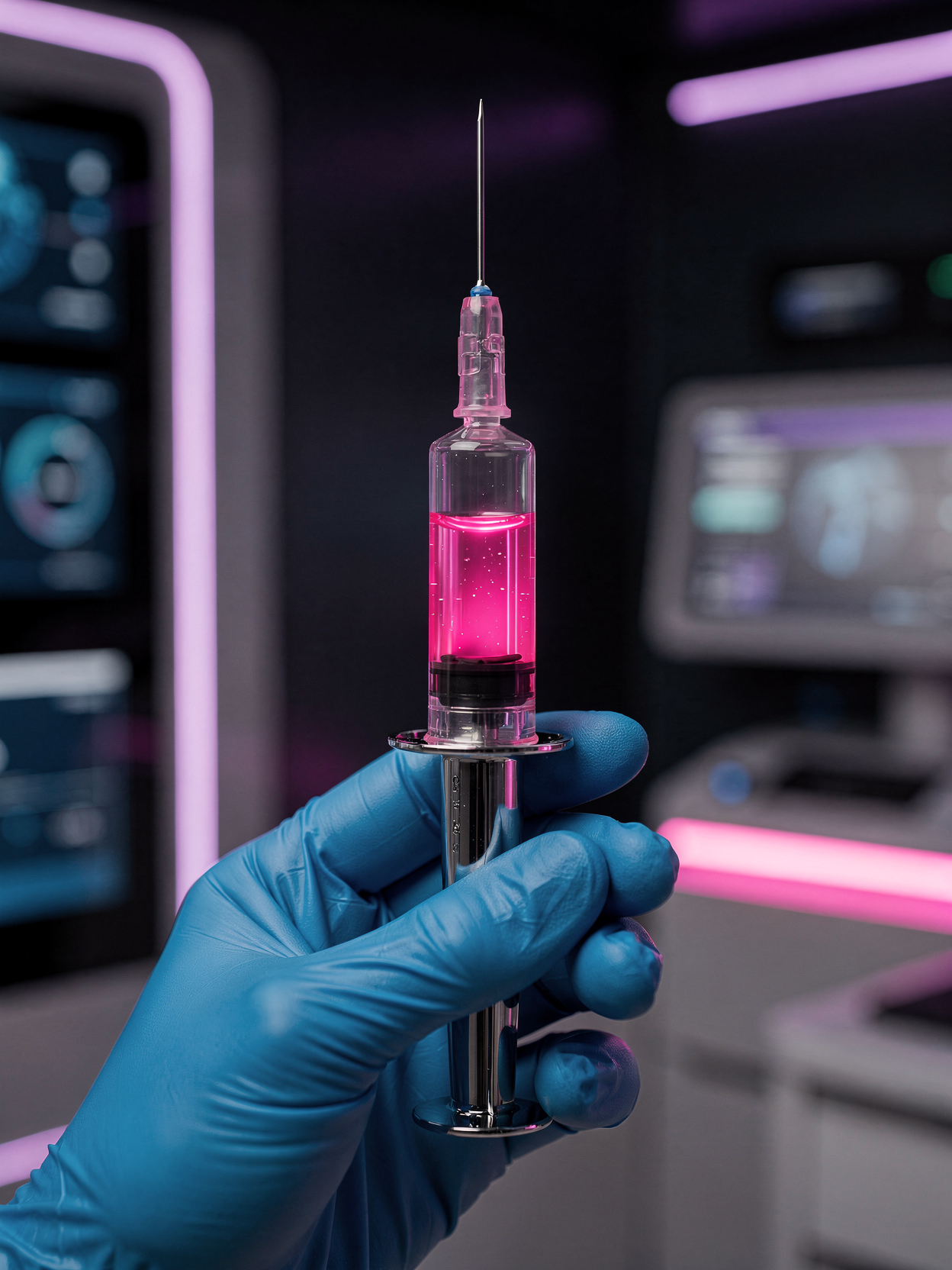
PepTide Therapy
Peptide therapy is an emerging area of metabolic and regenerative medicine. When clinically appropriate, certain peptides may support body composition, recovery, hormonal signaling, and overall optimization.
All therapies require medical evaluation and are prescribed only when appropriate.
This page is educational only — not medical advice, and not an offer to prescribe or sell any peptide.
What Are Peptides?
Peptides are naturally occurring biological messengers. They bind to specific receptors and signal the body to perform certain functions.
Depending on the peptide, this may influence:
Growth hormone signaling
Metabolic regulation
Tissue repair
Inflammatory response
Sleep and recovery patterns
Peptide therapy should never replace foundational health practices such as proper nutrition, strength training, sleep, and stress management.
Common Peptides Discussed in Clinical Settings
Below are peptides commonly referenced in metabolic and performance medicine. Use is determined only after medical consultation.
Growth Hormone-Stimulating Peptides
These encourage the body to release more growth hormone, which can influence recovery, body composition, and sleep patterns. Their use should be individualized and medically supervised:
CJC-1295 – Stimulates growth hormone release and may increase IGF-1; often discussed in body composition and recovery contexts.
Ipamorelin – A growth hormone secretagogue that may support GH release with fewer side effects.
Sermorelin – A growth hormone-releasing hormone analog used in certain clinical settings; prompts the body’s natural GH production.
Note: CJC-1295 and Ipamorelin are often combined to synergistically support GH signaling.
Recovery & Tissue Support Peptides
These peptides are commonly mentioned for their potential roles in tissue repair, inflammation modulation, and healing processes:
BPC-157 – A peptide fragment studied for soft-tissue repair including muscle, tendon, and ligament recovery.
TB-500 (Thymosin Beta-4 fragment) – May support tissue remodeling and cellular migration during healing.
GHK-Cu – A copper-binding peptide linked in research to collagen production, skin repair, and wound healing.
Metabolic & Body Composition-Related Peptides
Tesamorelin – A peptide that stimulates growth hormone release with a focus on reducing visceral fat and supporting body composition in medically guided settings.
AOD-9604 – A growth hormone-fragment peptide discussed for fat metabolism; evidence is limited and it is investigational in most contexts.
Important Clinical Notes
None of the peptides above are broadly FDA-approved for anti-aging, weight loss, performance enhancement, or general health enhancement — the strongest evidence exists only in specific medical indications and research settings.
Peptides often marketed online as “research compounds” (e.g., BPC-157, TB-500, CJC-1295) lack robust human clinical trials for many claimed uses and may be unregulated.
Self-administration, incorrect dosing, or unsupervised use carries safety risks and legal/ethical considerations. Always consult a licensed provider before considering any therapy.
Disclaimer
This page is for educational purposes only. It is not medical advice, an offer to prescribe, or a guarantee of any effect. Peptide therapies should only be considered under the guidance of a qualified clinician after a full assessment. Any off-label or investigational uses have potential risks and uncertainties.